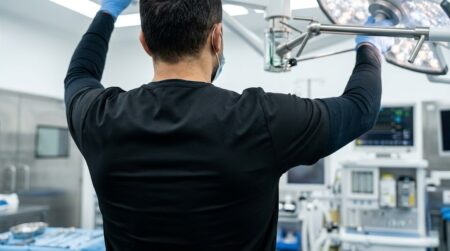
Comfortable medical wear does more than feel good: ergonomic scrubs and supportive gear reduce physical strain, improve mobility and concentration, and can positively affect patient care—this guide explains the mechanisms and practical steps to benefit your team.
In the high-stakes environment of a hospital, a doctor’s performance is often measured by split-second decisions and steady-handed precision. However, an overlooked factor in clinical excellence is the physical state of the clinician. When a physician is distracted by restrictive waistbands, overheating fabric, or aching feet, their cognitive and physical bandwidth is compromised. By prioritizing ergonomic Men Scrubs and Women Scrubs, healthcare facilities can unlock higher levels of productivity and safety.
Quick Summary: Why It Matters
One-line Takeaway
Ergonomic medical wear is a functional tool that preserves a clinician’s physical and mental energy, directly supporting better diagnostic focus and safer patient handling.
Immediate Benefits to Expect
By switching to high-performance medical apparel, clinicians can expect significantly reduced end-of-shift fatigue, enhanced range of motion during complex procedures, and a decrease in sensory distractions that pull focus away from patient care.
How Comfort Affects Clinical Performance: The Mechanisms
The link between a doctor’s clothing and their performance is rooted in physiological and psychological mechanisms.
Physical Strain and Fatigue (Musculoskeletal Load)
Poorly fitted clothing and unsupportive footwear increase the body’s energy expenditure. Restrictive cuts force the muscles to work harder against the fabric during every movement. Over a 12-hour shift, this leads to compensatory posturing—subtle, awkward shifts in stance to avoid discomfort—which accelerates musculoskeletal fatigue and chronic back or neck pain.
Mobility and Range of Motion
In emergency scenarios, every second counts. Non-stretch fabrics or boxy cuts limit a doctor’s ability to reach, bend, or turn quickly. This restriction can increase task completion time or force a clinician into an awkward position that could compromise their safety or the precision of a bedside procedure.
Cognitive Load and Focus
The “tactile distraction” of uncomfortable clothing creates constant, low-level sensory input. Whether it is a pinching waistband or a sleeve that keeps slipping, these minor irritations occupy a portion of the brain’s attentional capacity. In critical moments, this reduced situational awareness can be the difference between noticing a subtle clinical change and missing it.
Thermal Comfort and Physiological Stress
Operating rooms and busy wards are often thermally challenging. Poorly breathable fabrics lead to overheating and excessive sweating, which increases perceived exertion and heart rate. High physiological stress from heat can impair fine-motor control, a critical skill for surgeons and specialists.
Key Ergonomic Features to Prioritize
When selecting or procuring medical wear, look for these specific features that support the human body in motion.
- Fit & Cut: Choose an athletic or modern fit that follows the body’s natural lines without excess fabric that could catch on equipment.
- Fabric Performance: Prioritize 4-way stretch blends (incorporating spandex) and moisture-wicking technology. These materials maintain their shape and keep the skin dry.
- Construction Details: Look for underarm gussets, articulated knees, and reinforced stress points. These allow for a total range of motion without the garment riding up or tearing.
- Footwear and Support: Supportive, slip-resistant shoes are the foundation of comfort. They reduce lower-limb fatigue and the long-term risk of plantar fasciitis.
- Practical Pocketing: Thoughtful tool placement ensures that essential items are accessible without requiring repetitive, awkward reaching.
- Breathable Layering: Utilize thin, moisture-wicking Underscrubs or lightweight Lab Coats to manage varying hospital temperatures without adding restrictive bulk.
Evidence & Real-World Impacts
Investing in quality medical wear yields tangible operational outcomes.
Operational Outcomes
Facilities that transition to ergonomic uniforms often see quicker task completion and staff who require fewer “micro-breaks” to adjust for discomfort. There is a documented correlation between comfortable workwear and a reduction in sick leave related to musculoskeletal complaints.
Safety and Error Risk
While clothing alone doesn’t cause medical errors, it contributes to the “Swiss Cheese Model” of accident causation. Reduced physical mobility and impaired focus from discomfort create pathways for near-misses, particularly during physically demanding procedures or late-night shifts when cognitive reserves are low.
Staff Wellbeing and Retention
Comfort is a key component of job satisfaction. Providing high-quality apparel shows a commitment to staff health, which improves morale and reduces turnover. Clinicians who aren’t in chronic pain are more likely to engage positively with both patients and colleagues.
Practical Recommendations for Clinicians
Daily Checklist for Peak Performance
- Select stretchy, moisture-wicking scrubs.
- Wear broken-in, supportive footwear with high-quality insoles.
- Organize your pockets to balance weight across your body.
- Keep a spare top or a lightweight jacket in your locker.
Quick At-Home Fit Test
Before heading to your shift, perform these four movements: Squat, bend forward, reach arms overhead, and twist side-to-side. If the fabric pinches, pulls, or restricts your move in any way, the size or cut is not optimal for clinical performance.
Procurement & Policy Tips for Managers
Pilot Programs
Before a full-scale rollout, run a 4-week pilot program with a small group of representative roles (e.g., ER docs, floor nurses, and surgeons). Collect qualitative feedback on comfort and observe any changes in mobility or fatigue levels.
Cost vs. Benefit (ROI)
When calculating the return on investment for premium Printed Scrubs or ergonomic sets, account for the potential reduction in workers’ compensation claims, reduced absenteeism, and the high cost of staff turnover.
FAQs
Will comfortable scrubs really reduce errors?
They are one part of a safety system. By reducing physical limitations and sensory distractions, they help preserve the cognitive focus necessary to avoid errors.
Are stretchy scrubs less durable?
No. Modern high-performance blends are designed to balance elasticity with high-tensile strength. Look for reinforced seams to ensure longevity.
How should hospitals measure the impact of new medical wear?
Use a mix of self-reported comfort surveys, tracking musculoskeletal-related absence records, and monitoring incident trends before and after the change.
Do ergonomic scrubs require special care?
Many do. To preserve the wicking finishes and spandex elasticity, always follow the scrub care instructions on the label—usually involving avoiding high heat and harsh bleaches.