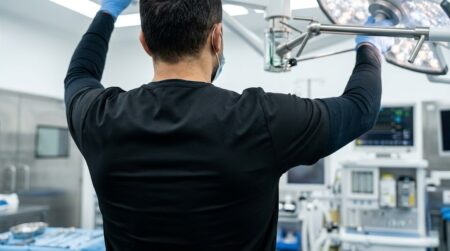
Your first day sets the tone: wear a comfortable, professional uniform that meets facility rules, keeps you mobile during clinicals, and helps you feel confident—this checklist gets you shift‑ready.
Stepping onto the hospital floor as a new grad nurse is an incredible milestone, but it is often accompanied by a wave of logistical anxiety. Setting yourself up for clinical success begins long before you receive your first patient assignment; it starts right in your closet. What you choose to wear directly impacts your physical stamina, your ability to perform under pressure, and how you project clinical authority to patients and veteran colleagues. This comprehensive guide provides essential tips for new nurses, breaking down exactly how to construct your orientation wardrobe, which nursing essentials to pack, and how to navigate strict facility dress codes with absolute confidence.
Before You Go: Check the Hospital Dress Code
Walking into orientation wearing the wrong color is a classic new-grad mistake that is entirely avoidable with a little proactive communication.
Verify Uniform Colors, Logo Rules, and Permitted Vendors
Confirming your department’s specific color code is the absolute first step, as most hospitals strictly mandate different shades to visually separate RNs, LPNs, and respiratory techs. Many facilities also enforce rules regarding officially embroidered hospital logos or restrict purchases to pre-approved vendors, so always ask HR or your nurse educator for the written dress code policy before making a purchase.
Confirm Shoe Policy, Jewelry Limits, and Hairstyle Expectations
Selecting compliant footwear is equally critical, with clinical environments universally forbidding open-toe styles, highly porous mesh fabrics, or flashy brand logos for infection control. Furthermore, you must review the expectations surrounding jewelry and grooming; dangling earrings, large rings, and long acrylic nails pose severe snagging risks and harbor dangerous bacteria.
Ask About Badge Rules, Break Room Lockers, and Storage
Knowing where to securely store your gear alleviates immediate first-day stress. Inquire ahead of time about break room locker availability, whether you need to supply your own padlock, and how your facility requires identification badges to be worn. It is highly recommended to reach out to your unit manager a few days before orientation to clarify these details, and bringing a digital photo of the dress code policy on your phone is a smart, professional backup plan.
What to Wear: Uniform Breakdown
Constructing the perfect clinical outfit requires balancing professional aesthetics with extreme athletic utility.
Scrub Top: Fit & Style Guidance
Selecting between a classic V-neck or a modern mock wrap depends entirely on your specific body type and mobility needs. Prioritizing breathable, moisture-wicking fabrics ensures you stay cool during high-stress emergencies or when rushing between patient rooms. Ensure the hem length is modest enough to provide full lower-back coverage when bending or kneeling, or seek out styles designed to be securely tucked in. When exploring our collection of premium women’s scrubs, look for four-way stretch materials featuring deep, reinforced pockets that hold heavy tools without sagging or distorting the garment’s shape.
Scrub Bottoms: Fits That Move
The right pants are fundamental to surviving a grueling twelve-hour shift. Choosing a secure high-rise waist with a reliable drawstring or full-elastic band prevents the frustrating distraction of constantly adjusting your pants while lifting patients. Consider whether a tapered jogger suits your athletic style or if a straight-leg cut falls better over your chosen footwear, paying close attention to the inseam length. For male clinicians, exploring tailored Men Scrubs with strategic cargo layouts provides necessary storage without adding bulky, restrictive fabric around the knees.
Shoes: Comfort, Support, and Slip Resistance
Your feet bear the absolute brunt of your nursing career, making proper arch support non-negotiable from day one. Investing in ergonomic, fluid-resistant footwear, such as supportive medical clogs or wipeable athletic work shoes, protects your joints from unforgiving concrete hospital floors. It is imperative to break your shoes in thoroughly at home for several days before your first shift to prevent agonizing blisters from derailing your orientation.
Outer Layers: Lab Coat, Cardigan, Scrub Jacket
Hospital temperatures fluctuate wildly between heavily air-conditioned charting corridors and warm patient isolation rooms. Layering with a lightweight scrub jacket allows for rapid temperature regulation and easy removal before donning bulky PPE. A professionally fitted lab coat is also an excellent option for nurse practitioners or during classroom orientation sessions.
Socks & Undergarments: Moisture-Wicking Options
Foundation layers are the unsung, invisible heroes of your daily comfort. Wearing seamless, moisture-wicking undergarments prevents painful chafing, while high-quality Underscrubs offer a hygienic, professional layer of warmth beneath your primary uniform without adding bulk.
Must-Bring Clinical Essentials
Arriving prepared demonstrates immediate competence to your preceptor and reduces your reliance on communal unit supplies.
Stethoscope: Pick the Right Model and Prep It
Your stethoscope is your primary assessment tool and the ultimate symbol of your new profession. Purchasing a trusted, high-acoustic entry-level model equips you to confidently detect subtle heart, lung, and bowel sounds from your very first patient. To prevent this expensive tool from mysteriously wandering off in a chaotic unit, invest in personalized bell engraving or attach a secure ID tag immediately.
Badge, Lanyard, and ID Essentials
Securing your hospital identification is mandatory for door access, medication dispensing, and facility security. Utilize a heavy-duty, retractable badge reel or a breakaway lanyard to ensure your ID remains visible without becoming a dangerous choking hazard if accidentally grabbed by a confused patient.
Small Tool Kit: Penlight, Scissors, Pens, Tape
Organizing your pocket essentials saves precious seconds during a rapid patient decline. Use a compact pocket organizer or roll to neatly store a medical-grade LED penlight, blunt-tip bandage scissors, fine-point permanent markers, medical tape, and a small notepad for taking detailed bedside reports.
Personal Items: Water, Snacks, and Chargers
Packing a comprehensive breakroom survival kit keeps your energy and morale high. Include a leakproof insulated water bottle, protein-dense snacks, a small blister care kit, a portable phone charger, and emergency cash for the late-night vending machine.
Comfort, Safety, and Fit Tips
How your uniform interacts with your environment is a critical component of occupational safety.
How Scrubs Should Fit for Safety and Mobility
Balancing tailoring with fluid mobility actively prevents workplace accidents. Avoid excessively loose sleeves or dangling pant hems that can easily catch on bed rails, IV poles, or medical carts, prioritizing a streamlined fit that moves synchronously with your body.
PPE Compatibility and Layering
Choosing streamlined silhouettes ensures that disposable isolation gowns and aprons fit smoothly and securely over your uniform. Bulky tops or excessive layering can cause uncomfortable bunching, making it significantly more difficult to properly doff contaminated personal protective equipment without touching your scrubs.
Preventing Fatigue and Injuries
Pacing yourself physically is a vital learned skill that prevents early career burnout. Combine your ergonomic footwear with proper body mechanics, and never hesitate to use mechanical lift assists or ask a colleague for help when transferring heavy patients.
Grooming & Professional Appearance Checklist
Your physical presentation communicates respect for your patients and adherence to safety protocols.
Hair, Nails, and Jewelry Guidelines
Adhering to strict hygiene standards protects both you and your severely immunocompromised patients. Keep your hair securely restrained away from your face, maintain short, neutral-colored natural nails, and restrict jewelry to a simple, smooth wedding band or small stud earrings. If you wish to express your personality safely, especially in pediatrics, vibrant Printed Scrubs are a fantastic, compliant alternative to flashy accessories.
Cleanliness and Uniform Care
Preparing for inevitable biological spills ensures you remain calm and professional all day. Keep a portable stain-remover pen in your locker for minor coffee drips, and absolutely always bring a complete, sealed spare set of scrubs in your tote bag for unexpected biohazard situations.
FAQs
What if my facility requires a specific scrub color but I don’t own it yet?
Politely ask HR for a brief grace period. If permitted, wear neutral, professional business-casual attire to your classroom orientation and bring a notepad explaining that your uniforms are currently in transit.
How many spare scrubs should I bring on orientation day?
We highly recommend bringing 1 to 2 spare sets of scrubs, sealed in a waterproof bag, to keep in your car or locker in case of major spills or contamination.
Should I bring my favorite stethoscope on day one?
Yes, if you already own a high-quality model, bringing it ensures you are ready for unexpected shadowing opportunities. Otherwise, you can safely use a provided unit loaner.
What shoes are best for long orientation shifts?
Supportive, thoroughly broken-in, slip-resistant shoes are mandatory. Look for wipeable medical clogs or structured athletic work shoes that offer heavy arch support.
Can I wear makeup or perfume on my first day?
Keep makeup minimal and highly professional. You must strictly avoid all perfumes, colognes, and heavily scented lotions, as fragrances can trigger severe respiratory distress in vulnerable patients.
How to label and secure personal items during shifts?
Use a provided, lockable breakroom locker. Keep your stethoscope labeled with a physical tag, and store small tools in distinct, brightly colored zip pouches inside your main tote.