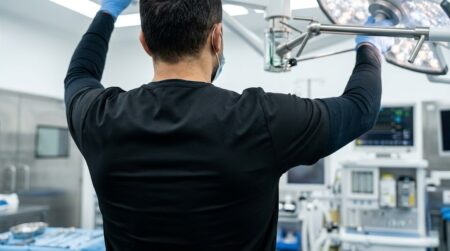
You can look professional and feel comfortable in scrubs by focusing on fit, clean lines, purposeful layers, and neat accessories—this guide gives easy, clinic‑ready styling steps you can use every shift.
In the fast-paced medical world, your uniform is more than just protective gear; it is your professional calling card. While scrubs are inherently designed for utility, a sloppy or ill-fitting set can inadvertently communicate a lack of attention to detail. Transitioning from “just wearing scrubs” to “styling a professional medical look” requires a few intentional choices that balance facility compliance with personal polish. Whether you are leading hospital rounds or greeting patients in a private clinic, these styling steps will ensure you project clinical authority without sacrificing the comfort you need for a twelve-hour shift.
Fit First: Pick Scrubs That Flatter and Function
The foundation of a professional look is how the fabric interacts with your silhouette. No amount of accessorizing can fix a set that is three sizes too large or dangerously tight.
Choose the Right Fit
Understanding the difference between athletic, relaxed, and modern cuts is essential. An athletic fit is designed to mirror the body’s movement, making it ideal for high-mobility roles. A relaxed fit offers more airflow, while a modern or “slim” cut provides a more tailored appearance. Always prioritize a fit that allows a full range of motion without looking baggy. If you are unsure of your dimensions, refer to our guide on how to measure for scrubs to find your baseline.
Prioritize Fabric and Construction
High-quality blends are the secret to a crisp look. Look for medium-weight fabrics that include a small percentage of spandex for “recovery”—this prevents the knees and elbows from bagging out by mid-shift. Flat, reinforced seams not only last longer but also provide a smoother, more expensive-looking finish to your Women’s Scrubs or Men’s Scrubs.
Tailoring and Small Fixes
Do not settle for “close enough.” Simple tailoring, such as shortening a hem so it doesn’t drag on the hospital floor or tapering a sleeve, can dramatically elevate your appearance. If you are between sizes, utilize features like internal drawcords to cinch the waist or look for tops with princess seams to create a more contoured, professional silhouette.
Professional Layering: Jackets, Tops, and Lab Coats
Layering is a functional necessity in cold clinics, but it can easily look messy if the layers are bulky or mismatched.
Choose a Scrub Jacket or Tailored Lab Coat
A structured scrub jacket is a modern alternative to the traditional sweater. These are designed with the same technical fabric as your scrubs, ensuring a cohesive look. For clinical leaders and specialists, a clean, pressed lab coat remains the gold standard for projecting expertise during patient consultations.
Smart Layering for Appearance
Avoid wearing heavy, knitted sweaters under your PPE, as they trap heat and look unprofessional when bunched. Instead, use thin, moisture-wicking Underscrubs that sit flush against the skin. These provide warmth and sweat management without distorting the lines of your scrub top.
Color Coordination
To maintain a polished aesthetic, limit your palette to two or three coordinating colors. Use neutral outer layers—like charcoal, navy, or black—to ground brighter scrub sets. If your department allows Printed Scrubs, pair them with solid-colored pants that match one of the subtle tones in the print to keep the look intentional.
Shoes, Socks, and Lower-Half Styling
Your lower half determines your physical stamina and completes the visual “frame” of your professional uniform.
- Shoes: Support + Polish: Your footwear should be scuff-free and professionally maintained. Choose supportive medical clogs or athletic work shoes with non-slip soles. Clean your shoes weekly; a dirty pair of sneakers can immediately “dress down” an otherwise perfect uniform.
- Socks and Foot Care: Match your sock color to either your shoes or your scrub pants to create a continuous, elongating line. This subtle touch prevents a jarring visual break at the ankle.
- Pant Length & Hem: Your hem should break just at the top of your shoe. Avoid dragging hems, which collect floor pathogens and look unkempt. If you prefer a modern look, cropped joggers are acceptable as long as the cuff is neat and sits above the ankle bone.
Accessories That Add Polish
In a clinical setting, accessories should be “form follows function.” Each piece should serve a purpose while contributing to a tidy appearance.
- ID Badge & Reel: Wear a clean, professional badge reel at chest level. Ensure your name and credentials are front-facing and easily readable. A secure, breakaway lanyard is preferred for safety.
- Stethoscope Styling: Treat your stethoscope as an essential tool, not a necklace. Keep the tubing clean and drape it neatly around your neck or store it in a dedicated hip clip. Refer to our stethoscope guide for tips on picking professional-looking finishes.
- Minimal Jewelry: Opt for a functional, waterproof watch, small stud earrings, and a plain wedding band. Avoid dangling pieces that can snag on equipment or become a contamination risk.
- Utility Accessories: Keep your pockets tidy. Use a discreet pocket organizer to hold your penlight and pens, preventing your scrub top from looking lumpy or weighed down.
Grooming & Laundering for a Polished Look
A crisp uniform is ineffective if the person wearing it looks disheveled. Professionalism is a holistic habit.
- Hair and Facial Grooming: Keep hair restrained and away from the face. Facial hair should be neatly trimmed.
- Nails and Makeup: Maintain short, clean nails with neutral polish (if allowed by your facility). Keep makeup natural and “daytime” appropriate. Strictly avoid strong fragrances, which can trigger sensitivities in patients.
- Scrub Care: Follow your scrub care instructions meticulously. Replace pieces that have become pilled, faded, or permanently stained. A quick pass with a steamer or iron can make even an older set look brand new.
Quick Outfit Formulas
- The Clinical Leader: Tailored lab coat + solid navy scrub set + polished clogs + engraved stethoscope.
- The High-Intensity Clinician: Athletic-fit jogger set + zip-front scrub jacket + supportive sneakers + chest-level badge reel.
- The Aesthetic Clinic Look: Fitted scrub top (with princess seams) + straight-leg pants + minimal stud earrings + neutral cardigan.
FAQs
Can I mix print tops with solid pants?
Yes, provided the print is professional, and the solid pants match a color within the print. This creates a coordinated, rather than chaotic, look.
Are embroidered names professional?
Absolutely. Small, clear embroidery of your name and title adds a high level of clinical authority and helps patients identify you immediately.
How do I keep scrubs smelling fresh during long shifts?
Choose breathable, antimicrobial fabrics and change into a clean spare set if your original uniform becomes heavily soiled or damp.
Is it okay to wear underlayers like long-sleeve tees?
Yes, if your facility permits it. Opt for thin, moisture-wicking base layers in neutral colors like black, white, or grey to keep the look streamlined.